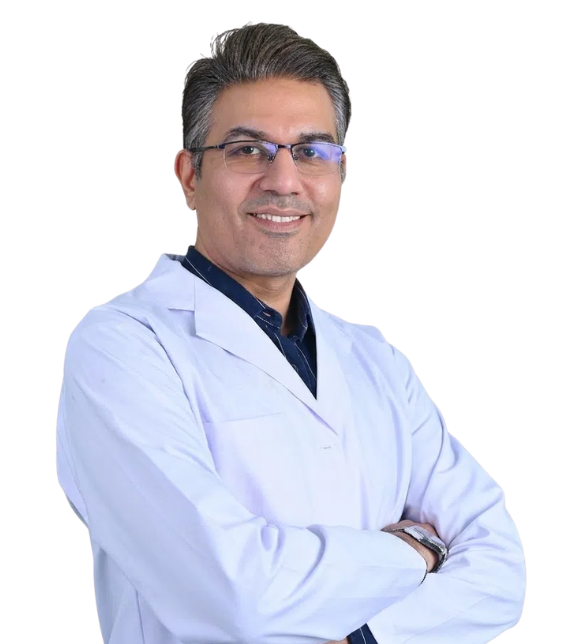
Dr Neelesh Damani
Consultant Orthopaedic & Spine Surgeon11+ Years Experience | MBBS, MS (Orthopaedics)




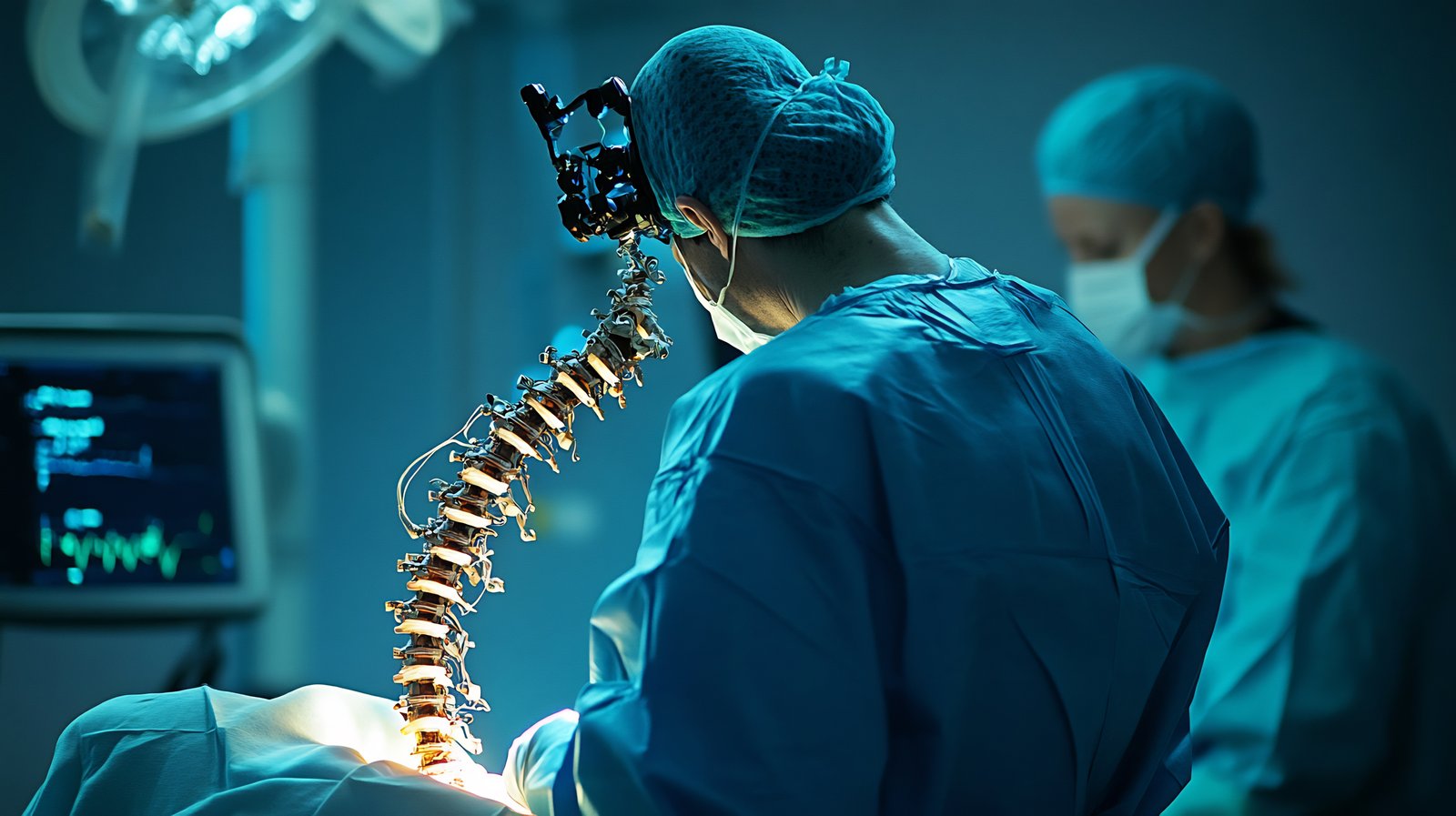
Endoscopic spine surgery is one of the most advanced and patient-friendly ways to treat many spine problems. Instead of a large open incision, the surgeon works through a very small opening using a high-definition endoscope — a thin tube with a camera and light that gives a clear, magnified view of the spine on a screen.
Dr Neelesh Damani, Consultant Orthopaedic & Spine Surgeon, has specialised fellowship training in endoscopic spine surgery from leading centres in Seoul, South Korea. He uses this technique to treat selected disc, nerve and canal problems with minimal tissue disruption, less post-operative pain and a faster return to normal life.
Not every spine problem is suitable for an endoscopic approach. The decision depends on the exact location of the problem, the amount of bone or disc material that needs to be addressed, and the overall condition of the spine. When the anatomy is favourable, endoscopic surgery offers excellent results with significantly less surgical trauma.
Dr Neelesh Damani combines his training in open, minimally invasive and endoscopic techniques to choose the safest and most effective method for each patient. The goal remains the same: relieve pressure on the nerve, preserve stability, and help the patient recover with the least possible discomfort and downtime.
Endoscopic spine surgery is particularly useful for the following problems when they meet the right criteria:
Removal of the herniated disc fragment that is pressing on a nerve root and causing leg pain (sciatica).
Selected cases of neck disc herniation causing arm pain, numbness or tingling can be addressed endoscopically.
Narrowing of the exit passage of the nerve can be widened through the endoscope to free the nerve.
In carefully chosen patients, a recurrent disc prolapse can be treated with a second endoscopic procedure.
Disc fragments that migrate to the side of the spine are often well suited to an endoscopic approach.
Mild to moderate canal or recess stenosis in appropriate patients can be decompressed endoscopically.
Patients who benefit most often report one or more of the following:
Endoscopic surgery is a powerful tool, but it is not the right tool for every case. Dr Neelesh Damani carefully evaluates each patient with a detailed history, clinical examination and high-quality imaging before recommending any procedure.
When endoscopic surgery is appropriate, the focus is on precision, nerve safety and minimal soft-tissue damage. Patients typically experience less post-operative pain, smaller scars, reduced blood loss and a quicker return to walking, work and daily activities compared with traditional open techniques.
After the procedure, clear guidance on activity progression, posture and long-term spine care is provided so that the benefits of the surgery are maintained over time.
11+ Years Experience | MBBS, MS (Orthopaedics)

Copyright © 2026 Dr. Neelesh Damani. All Rights Reserved.