Dr Neelesh Damani
Consultant Orthopaedic & Spine Surgeon11+ Years Experience | MBBS, MS (Orthopaedics)




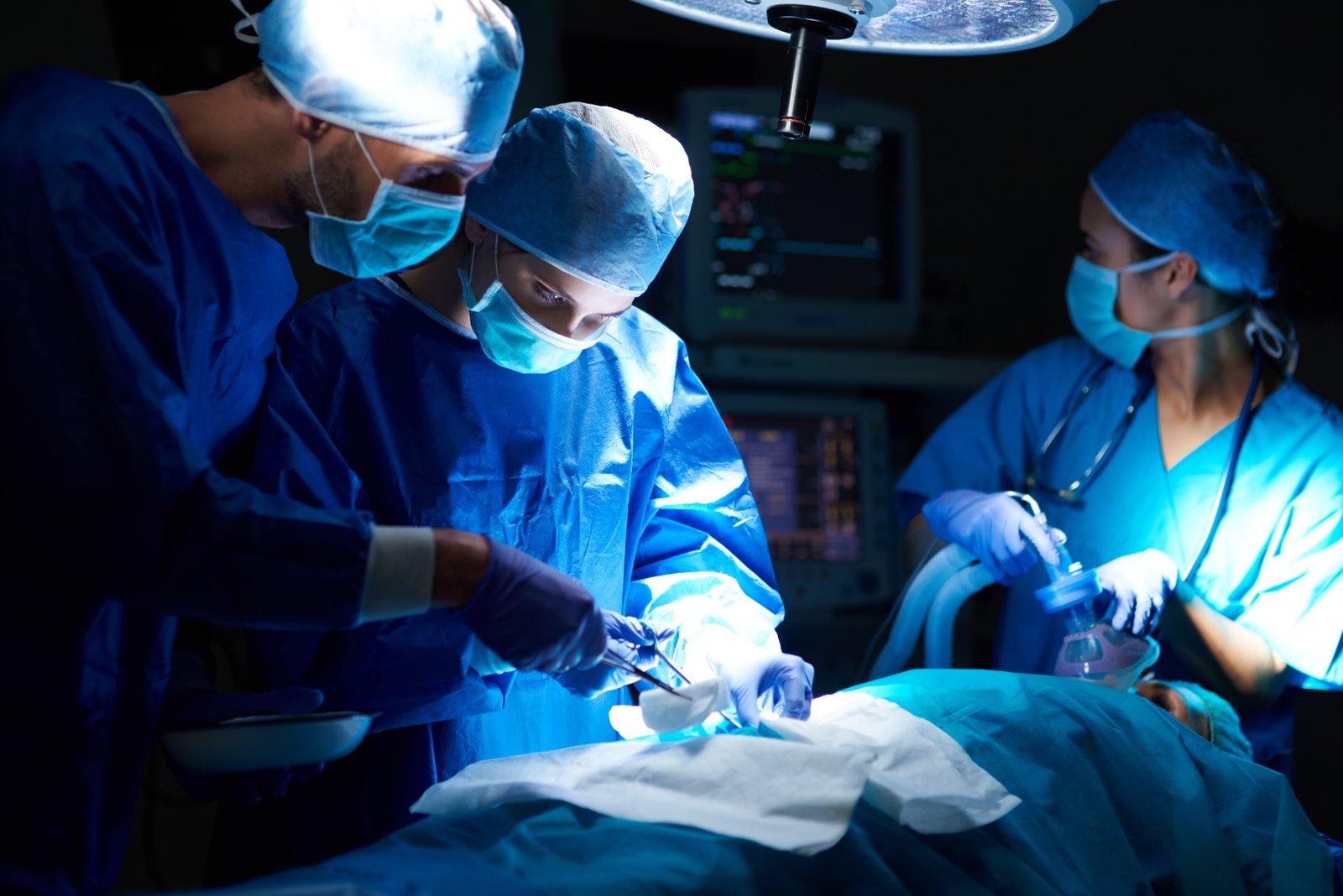
Minimally invasive spine surgery allows many spinal problems to be treated through much smaller openings than traditional open surgery. Using specialised instruments, tubular retractors and advanced imaging, the surgeon reaches the affected area while causing far less damage to the surrounding muscles and soft tissues.
Dr Neelesh Damani, Consultant Orthopaedic & Spine Surgeon, has dedicated fellowship training in open and minimally invasive spine surgery. He applies these techniques to carefully selected cases so that patients benefit from reduced post-operative pain, smaller scars, less blood loss and a faster return to normal activities whenever it is safe and appropriate.
Minimally invasive techniques are not suitable for every spine condition. Complex deformities, severe multi-level problems or certain types of instability may still require a traditional open approach. The decision is always based on the individual patient’s anatomy, symptoms and overall health.
Dr Neelesh Damani combines his training in open, minimally invasive and endoscopic methods to select the approach that offers the best balance of safety, effectiveness and recovery. The priority remains the same: relieve pressure on nerves, maintain spinal stability and help the patient return to an active life with the least possible surgical trauma.
When the clinical and imaging findings are favourable, the following problems can often be managed with a minimally invasive approach:
Removal of the disc fragment compressing a nerve root, relieving sciatica while preserving surrounding muscles.
Decompression of the narrowed spinal canal or nerve passages through smaller openings.
Stabilisation and decompression in carefully chosen patients with mild to moderate slippage.
Targeted widening of the nerve exit zones to free compressed nerve roots.
Certain neck disc or stenosis problems can be addressed with less tissue disruption.
In appropriate cases, recurrent disc herniation or residual compression can be treated with a minimally invasive approach.
Patients who are often good candidates report one or more of the following:
Minimally invasive surgery is a valuable option, but it is never forced. Dr Neelesh Damani evaluates every patient thoroughly — reviewing the history, examining the spine and studying high-quality imaging — before recommending any procedure.
When a minimally invasive approach is suitable, the focus is on precise decompression or stabilisation with maximum preservation of healthy tissue. Patients typically experience less post-operative pain, shorter hospital stays and a quicker return to walking and light activities compared with traditional open surgery.
After surgery, structured guidance on activity, posture and rehabilitation is provided so that the benefits of the less invasive approach are fully realised and maintained over the long term.
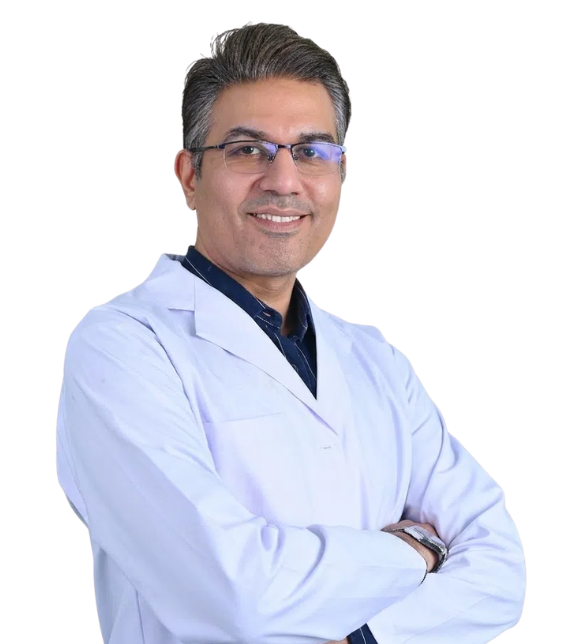
11+ Years Experience | MBBS, MS (Orthopaedics)

Copyright © 2026 Dr. Neelesh Damani. All Rights Reserved.