Dr Neelesh Damani
Consultant Orthopaedic & Spine Surgeon11+ Years Experience | MBBS, MS (Orthopaedics)




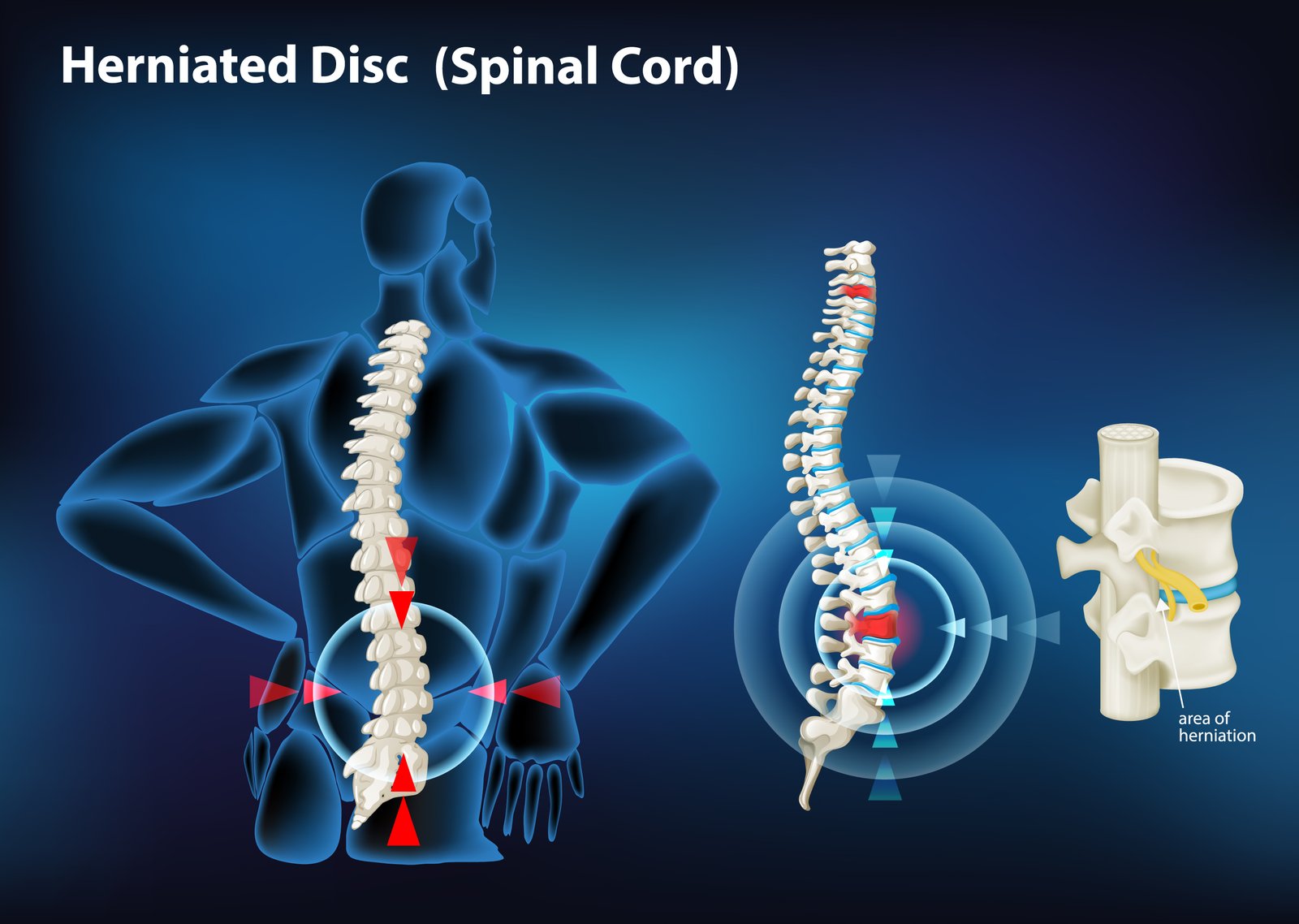
The spine is the central pillar of your body. It supports your weight, protects the spinal cord, and allows you to move freely. When something goes wrong with the spine — whether due to injury, age-related wear, disc problems, or deformity — the pain and limitation can affect every part of daily life.
Dr Neelesh Damani, Consultant Orthopaedic & Spine Surgeon, specialises in modern spine surgery. With advanced training in India, Japan and South Korea, he focuses on precise, evidence-based treatment that aims to relieve pain, restore function and help patients return to an active life with the least possible disruption.
Not every spine problem requires surgery. Many patients improve significantly with non-surgical care. When surgery becomes the right choice, the goal is always the same: relieve pressure on nerves, stabilise the spine when needed, and do so with the highest possible precision and the lowest possible trauma to surrounding tissues.
Dr Neelesh Damani brings specialised experience in open spine surgery, minimally invasive spine surgery, endoscopic spine procedures, and complex deformity work including paediatric cases. His approach is patient-centred — explaining options clearly, discussing realistic expectations, and planning every step carefully.
Spine surgery can address a wide range of problems. Some of the most frequent conditions managed by Dr Neelesh Damani include:
When the soft cushion between vertebrae pushes out and presses on a nerve, causing sharp pain, sciatica or arm pain.
Narrowing of the spinal canal that can lead to leg pain, heaviness or difficulty walking longer distances.
One vertebra slips forward over another, creating instability and nerve irritation.
Abnormal curvature of the spine, including adolescent idiopathic scoliosis and severe paediatric deformities.
Neck pain, arm numbness, weakness or balance issues related to cervical disc disease or stenosis.
Injuries to the spine that need stabilisation to protect the spinal cord and allow healing.
Early evaluation can prevent permanent nerve damage. Seek specialist advice if you experience:
Every patient is different. The decision for surgery is never taken lightly. Dr Neelesh Damani believes in thorough assessment, honest discussion of risks and benefits, and choosing the technique that offers the best chance of lasting relief with the least disruption to the patient’s life.
Where possible, minimally invasive or endoscopic methods are preferred because they usually mean smaller scars, less muscle damage, reduced blood loss and faster recovery. For complex deformities or severe instability, carefully planned open surgery remains the gold standard and is performed with the same attention to detail and nerve safety.
After surgery, structured rehabilitation and clear advice on posture, activity and long-term spine health form an essential part of the recovery journey.
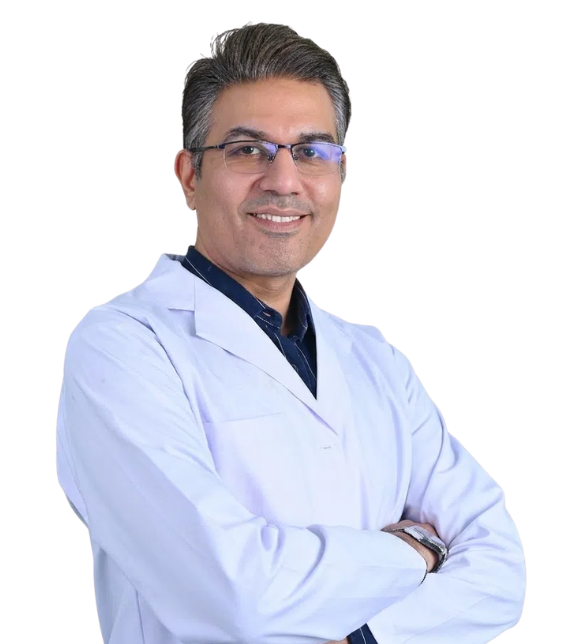
11+ Years Experience | MBBS, MS (Orthopaedics)

Copyright © 2026 Dr. Neelesh Damani. All Rights Reserved.